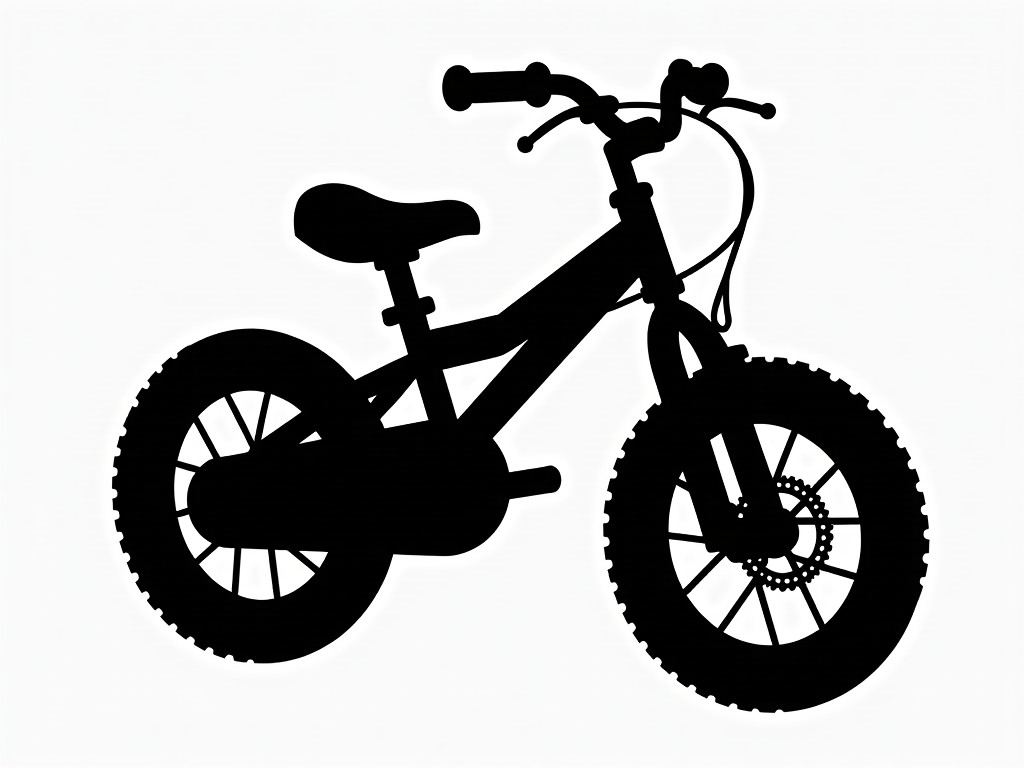
Wholesale Youth Mountain Bike For Kids Manufacturer
Wholesale Youth Mountain Bike for Kids – Manufacturer Overview
Designing a youth mountain bike requires balancing reduced weight with sufficient stiffness to handle off‑road loads while keeping the standover height appropriate for growing riders. The frame geometry is tuned to place the rider’s center of gravity slightly rearward, improving traction on climbs without compromising maneuverability on descents. This approach reduces the learning curve for children transitioning from pavement to trail.
Frame Geometry and Sizing
The main triangle uses a 350 mm top tube length for the small size and 380 mm for the medium, paired with a 68 mm head tube angle that provides stable steering at speeds under 15 km/h. Chainstay length is set to 380 mm to keep the rear wheel tucked under the rider, reducing the tendency to wheel‑ie on steep inclines. Bottom bracket drop is 30 mm, lowering the center of gravity while maintaining adequate pedal clearance over obstacles.
Seat tube angle is 73 °, allowing a comfortable pedaling position while accommodating a range of inseam lengths from 45 cm to 55 cm via adjustable seat posts. The wheelbase measures 950 mm for the small and 985 mm for the medium, contributing to a predictable tracking feel on loose surfaces. These dimensions are derived from anthropometric data of children aged 7‑12 years and are adjustable within ±5 mm to suit specific market requirements.
Materials and Construction
The front triangle is formed from 6061‑T6 aluminum alloy tubes with a nominal wall thickness of 1.2 mm, providing a yield strength of approximately 240 MPa while keeping the frame mass under 1.6 kg. Rear stays utilize double‑butted 6061 sections, thickened at the weld zones to 1.5 mm for added durability where chain tension and brake loads concentrate. All joints are TIG welded and post‑heat treated to relieve residual stresses.
A hydroformed down tube incorporates internal ribbing that increases torsional rigidity by roughly 18 % compared to a round tube of equivalent weight, improving handling precision during cornering. The seat stay bridges feature a tapered design, reducing material volume by 12 % without compromising vertical compliance, which helps absorb small bumps and reduces rider fatigue. These manufacturing choices are validated through finite‑element analysis targeting a maximum von Mises stress of 150 MPa under a 200 kg static load case.
Typical Dimensions
| Parameter | Small (mm) | Medium (mm) |
|---|---|---|
| Top Tube Length | 350 | 380 |
| Chainstay Length | 380 | 380 |
| Wheelbase | 950 | 985 |
| Seat Tube Angle | 73° | 73° |
| Head Tube Angle | 68° | 68° |
Component Specification
- Suspension fork with 80 mm travel, air spring adjustable from 20 psi to 45 psi, and rebound damping adjustable via external knob.
- Shimano Altus 2×8 speed drivetrain, featuring a 22‑32T crankset and an 11‑34T cassette, providing a gear range suitable for grades up to 15 %.
- Hydraulic disc brakes with 160 mm rotors, delivering consistent stopping power in wet conditions and lever reach adjustable for smaller hands.
- WTB Trail Boss 2.0 in tires, featuring a low‑profile center tread for rolling efficiency and side knobs for cornering grip on loose terrain.
- Aluminum riser handlebar with 20 mm rise and 580 mm width, paired with lock‑on grips featuring a dual‑diameter design for improved comfort.
Safety and Compliance
The frame and fork undergo impact testing according to EN 14766, achieving a pass threshold of 200 J without permanent deformation. All painted surfaces meet RoHS restrictions, with a powder‑coat thickness of 80 µm ±10 µm providing UV stability for at least 2 years of outdoor exposure. Reflective strips are integrated into the seat stays and fork blades, offering a minimum retroreflective coefficient of 150 mcd/m²/lux as required for low‑light visibility.
The bike’s maximum rider weight is rated at 50 kg, determined through static load testing of the frame and wheel set to a safety factor of 2.0. Chain guard coverage extends 30 mm beyond the chainring on each side, reducing the risk of clothing entanglement. These specifications are documented in the product safety datasheet available upon request.
Customization Options
- Frame size adjustments in 5 mm increments for top tube and seat tube lengths.
- Alternative wheel sizes: 24 inch or 26 inch ISO 559 rims with compatible tire widths.
- Choice of drivetrain tiers: Shimano Tourney, Altus, or Acera, each with differing gear ratios and weight profiles.
- Brake system selection: mechanical disc, hydraulic disc, or V‑brake with modular mounting brackets.
- Color palette: powder‑coat options in matte black, gloss white, safety orange, and forest green, with custom Pantone matching available for volumes over 500 units.
- Accessory kits: kickstand, bell, and front/rear LED lights with quick‑release mounts.
Applications and Use Cases
The bike is suited for municipal youth cycling programs where fleets must endure daily use on mixed surfaces such as paved park paths, gravel trails, and light singletrack. Its geometry promotes confidence for novice riders while the component group offers sufficient performance for more advanced participants to develop technical skills. The low standover height facilitates quick dismounts, an important factor in group training environments where frequent stops are required.
In aftermarket distribution, the platform serves OEMs seeking a reliable base model for branding or for assembling custom builds aimed at specialty retailers. The modular design enables rapid swapping of drivetrain and brake sets, reducing assembly time by an estimated 15 % compared to a fully integrated frame. This flexibility supports seasonal inventory strategies, allowing distributors to adjust specifications based on regional terrain trends without redesigning the core frame.
Quality Control Process
Each frame undergoes a three‑stage inspection: dimensional verification using a CMM with ±0.1 mm tolerance, visual weld inspection under 10× magnification for porosity and undercut, and a proof load test where the frame is subjected to 1.5× the rated rider weight for 30 seconds. Any deviation beyond allowable limits triggers a rework cycle before proceeding to paint. This protocol reduces field failure risk to less than 0.2 % based on historical data.
Completed bikes receive a functional check that includes gear indexing verification (shift accuracy within 2 mm of target position), brake lever travel measurement (≤10 mm for full engagement), and wheel true assessment (lateral run‑out <0.5 mm). Final packaging incorporates a shock‑absorbent insert and a polyethylene bag to protect against moisture and abrasion during transit. Documentation of each test is retained for traceability and is accessible to customers upon request.
Packaging and Logistics
Bikes are packed in double‑wall corrugated cartons measuring 1400 mm × 230 mm × 800 mm, with internal foam corner protectors delivering a cushioning rating of 45 kPa. Each carton includes a silica‑gel packet to maintain relative humidity below 60 % during shipment, preventing corrosion on steel components. Palletization follows a 2‑layer configuration, achieving a standard load of 24 units per pallet (1.2 m × 1.0 m × 2.0 m) suitable for both truckload and containerized transport.
Freight terms are offered as FOB Shanghai or CIF destination port, with lead times averaging 30‑35 days for standard configurations and 45‑50 days for customized orders, dependent on component availability and finish scheduling. Real‑time tracking numbers are provided at the point of dispatch, and all shipments comply with ISPM‑15 wood‑packaging regulations for international destinations.
Frequently Asked Questions
- Can the frame dimensions be altered for a specific market?
- Yes, top tube, seat tube, and head tube angles can be adjusted in 5 mm or 1° increments based on tooling availability; a formal quotation requires the desired measurements and anticipated order volume.
- What information is needed to receive a price quote?
- Required details include frame size, wheel size, drivetrain level, brake type, finish color, any accessory kit selections, and the target shipment date. Providing annual volume estimates helps apply appropriate tiered pricing.
- Which materials are available for the fork?
- The standard fork is constructed from 6061‑T6 aluminum with an air spring; optional upgrades include a steel tapered fork or a carbon‑fiber blade version, each affecting weight and stiffness characteristics.
- How is quality inspected before shipping?
- Every unit undergoes dimensional CMM checks, weld visual inspection, proof load testing, gear shift verification, brake lever travel measurement, and wheel true assessment as outlined in the quality control section.
- What packaging options are offered for export?
- Standard packaging uses double‑wall cartons with foam corner guards and moisture barriers. Additional options include double‑boxing, corner boards, or custom‑size crates for high‑volume orders, all available upon request.