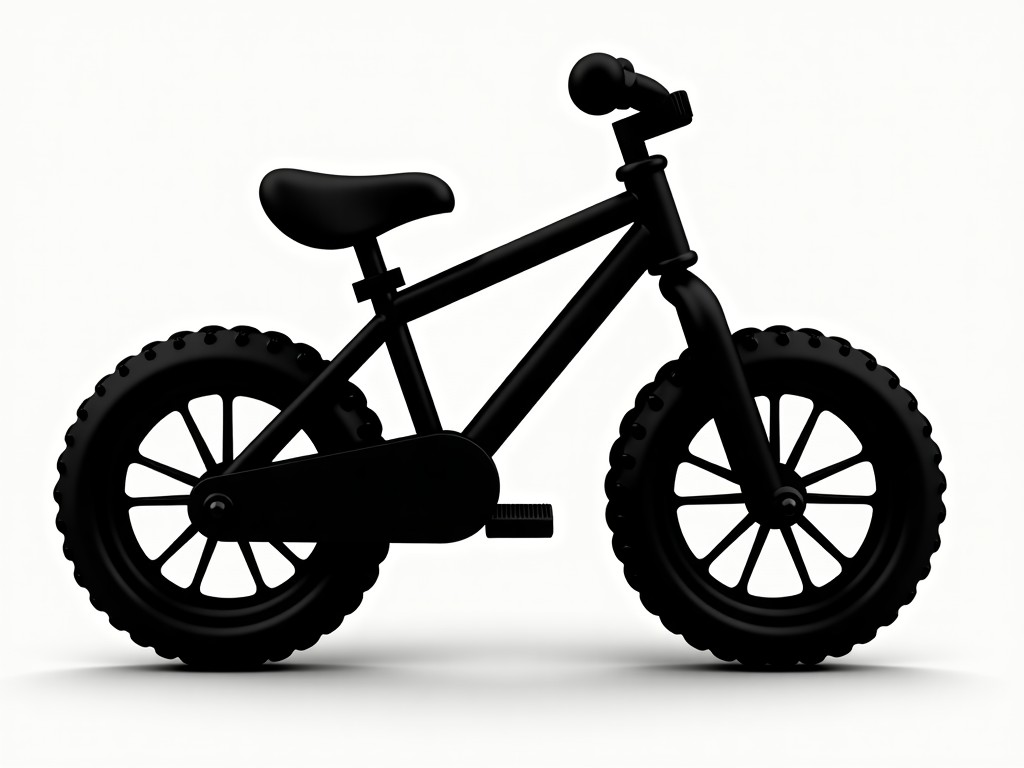
Wholesale Geometry Kids Mountain Bike Supplier
Wholesale Geometry Kids Mountain Bike Supplier
Geometry defines how a kids mountain bike handles trails, influences rider confidence, and determines long‑term durability. Understanding the angular relationships between frame tubes allows buyers to predict steering responsiveness, weight distribution, and clearance for obstacles.
Key Design Characteristics
Head tube angle typically ranges from 68° to 71°, affecting front‑end stability versus quick steering. Seat tube angle falls between 72° and 75°, influencing pedaling efficiency and seated position. Chainstay length for 20‑inch wheel models is usually 350 mm to 380 mm, impacting rear‑wheel traction and maneuverability.
Typical Geometry Specifications
| Parameter | Typical Range | Unit |
|---|---|---|
| Head Tube Angle | 68 – 71 | degrees |
| Seat Tube Angle | 72 – 75 | degrees |
| Chainstay Length | 350 – 380 | mm |
| Wheelbase | 900 – 950 | mm |
| Bottom Bracket Drop | 20 – 30 | mm |
Material Selection and Frame Construction
Frames are commonly fabricated from 6061‑T6 aluminum alloy, offering a tensile strength of approximately 310 MPa and good corrosion resistance. Tubing is often butted—thicker at the joints and thinner in the mid‑section—to reduce weight while maintaining strength at stress points. TIG welding provides consistent penetrations, and post‑weld heat treatment restores alloy temper.
Component Compatibility
Forks with 40 mm to 60 mm travel match the intended head tube angle and provide adequate front‑wheel suspension for light trail use. Disc brake mounts (post‑mount or IS) are standard, allowing 160 mm rotors for reliable stopping power. Drivetrain options typically support 7‑speed or 8‑speed freewheels with a rear dropout spacing of 135 mm.
Quality Control and Testing
Each frame undergoes dimensional inspection using CMM to verify tube angles and lengths within ±0.5 mm tolerance. Fatigue testing simulates 100,000 load cycles at 1.5× the rider weight to ensure joint integrity. Final assembly includes brake torque verification (minimum 12 Nm) and wheel trueness checks (<0.5 mm lateral run‑out).
Customization Options
- Frame size adjustments (wheelbase ±10 mm) to suit rider height.
- Color finishes: powder‑coat in standard hues or custom Pantone matching.
- Brake mount type: post‑mount, IS, or flat‑mount for disc or V‑brake.
- Dropout configuration: vertical, horizontal, or sliding for single‑speed or geared setups.
- Optional braze‑on mounts for bottle cages, kickstands, or rack.
Applications and Use Cases
Application of this geometry delivers a low center of gravity and balanced weight distribution, which helps young riders maintain control on loose gravel and root‑covered trails. A slacker head tube angle increases stability at speed, while a shorter chainstay improves agility for tight turns. These attributes reduce the learning curve and increase rider safety, making the bike suitable for recreational off‑road riding, school cycling programs, and entry‑level racing.
Ordering and Lead Time
Minimum order quantity is typically 50 units, with sample production available within 10 working days after design approval. Standard lead time for a full order is 25‑30 days, depending on selected customization and current factory capacity. Shipping terms are FOB Ningbo, with optional palletizing and stretch‑wrap protection for overseas freight.
To discuss specific geometry requirements, request a quotation, or obtain technical drawings, please use the contact link below.
Request Quotation