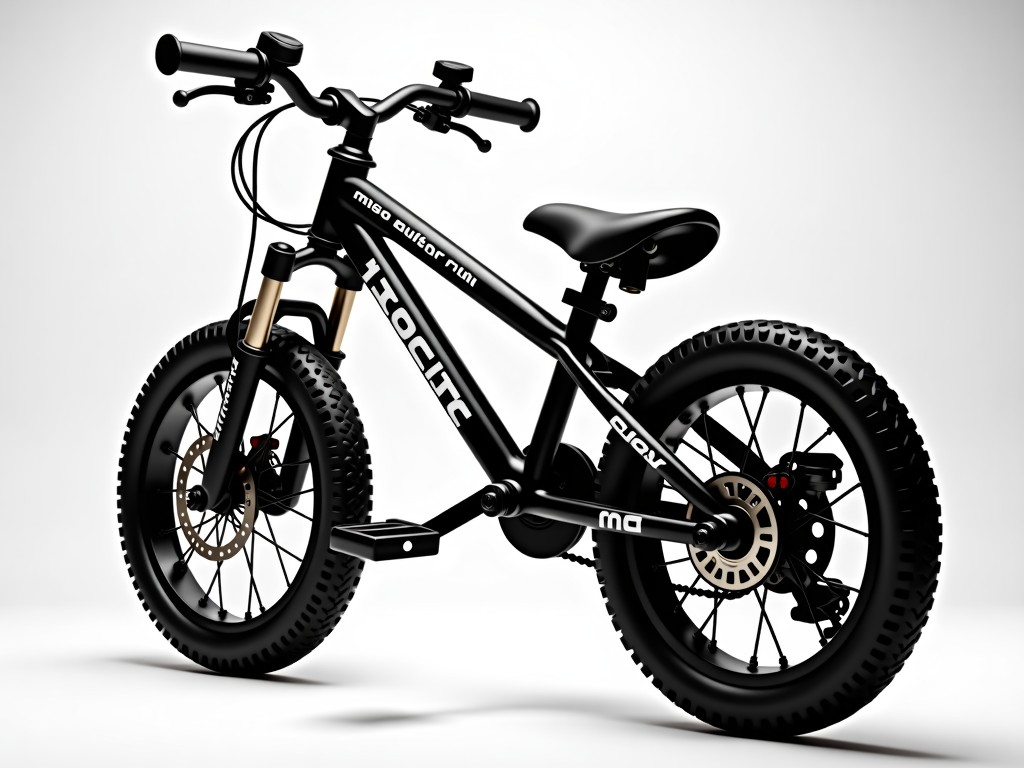
Wholesale Carbon Kids Mountain Bike Factory
Wholesale Carbon Kids Mountain Bike Factory
The wholesale carbon kids mountain bike is designed for riders aged 5 to 12 years, featuring 20‑inch or 24‑inch wheels depending on frame size. Frame mass typically ranges from 1.2 kg to 1.6 kg, providing a high stiffness‑to‑weight ratio suitable for off‑road terrain.
Carbon fiber used in the frames consists of intermediate‑modulus (≈200 GPa) plies with a 0°/±45° layup to balance longitudinal stiffness and torsional strength. Void content is kept below 1.5 % through vacuum bagging and controlled cure cycles, ensuring consistent mechanical performance.
Technical Specifications
| Parameter | Typical Value |
|---|---|
| Wheel Size | 20 in or 24 in |
| Frame Material | Carbon fiber composite (intermediate modulus) |
| Frame Weight | 1.2 kg – 1.6 kg |
| Head Tube Angle | 68° – 70° |
| Chainstay Length | 350 mm – 380 mm |
| Bottom Bracket Drop | 25 mm – 35 mm |
Frame geometry directly influences handling characteristics for young riders. A slacker head tube angle (≈68°) improves stability on descents, while a shorter chainstay enhances maneuverability on tight trails.
Design and Engineering
Manufacturers select tube profiles based on finite‑element stress analysis, using oversized down tubes to resist bending loads from front impacts. Internal cable routing is incorporated to reduce abrasion and maintain a clean aesthetic.
The headset integrates a tapered 1.125‑inch to 1.5‑inch system, allowing compatibility with a range of suspension forks while keeping stack height low. Seat tube diameter is standardized at 27.2 mm to accommodate common dropper posts for older kids.
Applications
Young riders benefit from reduced unsprung mass, which translates to quicker acceleration and easier handling on steep climbs. The high longitudinal stiffness of carbon frames ensures precise steering input, critical for developing technical skills.
Because carbon frames dampen high‑frequency vibrations better than aluminum, fatigue on longer rides is lowered, supporting confidence building on varied terrain.
Customization Options
- Frame Size: 10 in, 12 in, 14 in (seat tube length)
- Wheel Size: 20 in or 24 in rims with optional tubeless‑ready strips
- Color Finish: Matte, gloss, or custom graphic wrap (UV‑cured coating)
- Component Groups: Entry‑level (Aluminum crank, mechanical disc) to mid‑tier (Carbon crank, hydraulic disc)
- Accessory Mounts: Integrated bottle bosses, kick‑stand plate, or rear rack eyelets
Quality Control
Each frame undergoes ultrasonic C‑scan inspection to detect internal delamination or voids larger than 0.5 mm. Tensile coupons extracted from sacrificial tabs are tested to verify modulus and strength within ±5 % of target values.
Alignment checks are performed on a precision granite surface plate, measuring head‑tube and seat‑tube parallelism within 0.2 mm. Final assembly includes torque verification of all critical bolts using calibrated digital wrenches.
Packaging and Shipping
Frames are packed in double‑wall corrugated cardboard with corner protectors and interstitial foam blocks to prevent movement. A humidity‑indicator card is included to monitor moisture levels during transit.
Complete bikes are boxed with the front wheel detached, fork secured by a custom cradle, and all loose components placed in labeled polybags. Palletized shipments conform to ISPM‑15 standards for international export.
Lead Time
Typical production lead time ranges from 30 to 45 calendar days after receipt of approved drawings and deposit. Lead time scales with order volume; larger lots may be accommodated through staggered molding cycles.
Expedited options are available upon request, subject to tooling availability and factory capacity.
Frequently Asked Questions
- Can dimensions be customized? Yes, frame size, wheel diameter, and tube lengths can be adjusted based on rider anthropometrics.
- What information is required before quotation? Required details include target rider age range, desired wheel size, brake type, and any branding or color specifications.
- What materials are available? Primary material is intermediate‑modulus carbon fiber; optional aluminum alloy rear stays are offered for cost‑sensitive projects.
- How is quality inspected? Inspection includes ultrasonic C‑scan, tensile coupon testing, alignment verification, and final torque audit.
- What packaging methods are available? Standard double‑wall carton with foam protection; custom wooden crates or reusable containers can be arranged.
- How are export shipments protected? Shipments are palletized, stretch‑wrapped, and include moisture‑indicator cards; all packaging meets ISPM‑15.
- What is the typical production lead time? 30‑45 days for standard configurations; lead time varies with order size and customization complexity.
Get a Quote
To begin a quotation, please provide your project specifications, including target volume, preferred component groups, and any required certifications. Our engineering team will review the details and return a detailed cost breakdown within two business days.
Request Quotation