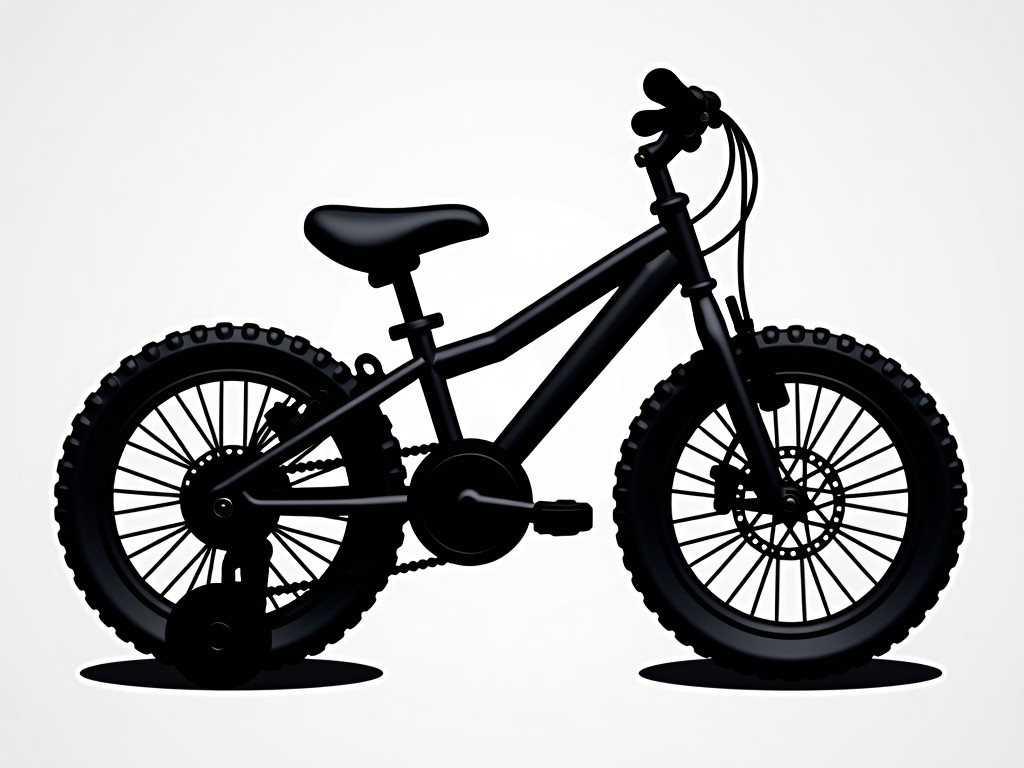
Custom Womens Mountain Bike For Kids Top Supplier
Custom Women's Mountain Bike for Kids – Supplier Overview
The product line addresses the need for a mountain bike that fits the anatomical proportions of younger female riders while maintaining off‑road capability. Frame dimensions are scaled to reduce standover height and reach, enabling confident handling on technical trails.
Frame Geometry and Material Options
Frames are constructed from 6061‑T6 aluminum alloy, offering a tensile strength of approximately 310 MPa and a density of 2.7 g/cm³. This material allows wall thicknesses that keep the frame weight under 1.6 kg for a 13‑inch size while providing sufficient stiffness for precise steering.
Geometry includes a slack head tube angle of 68°, a seat tube angle of 74°, and a chainstay length of 420 mm. These values position the rider’s center of gravity rearward, improving stability on descents without compromising climbing efficiency.
Suspension System
A 100 mm travel air‑sprung fork with adjustable rebound and compression damping is standard. The fork’s stanchion diameter is 32 mm, and the air spring allows tuning for rider weights between 25 kg and 55 kg.
Rear suspension is omitted in the hardtail configuration to reduce weight and simplify maintenance; however, a full‑suspension variant with a 90 mm rear shock is available upon request, using a linkage‑driven design with a leverage ratio of 2.8:1.
Drivetrain and Braking
The drivetrain features a 1×10 Shimano Deore groupset, providing a gear range of 11‑42 t. This configuration yields a low gear ratio of approximately 0.26, suitable for steep climbs, and a high ratio of 3.8 for fast descents.
Hydraulic disc brakes with 160 mm rotors front and rear deliver consistent stopping power. The brake lever reach is adjustable to accommodate smaller hand sizes, ensuring reliable modulation for riders under 50 kg.
Wheel and Tire Options
Wheel sizes offered are 24 inch (ISO 507) and 26 inch (ISO 559), each paired with 30 mm internal width rims. This width supports tire volumes from 2.0 in to 2.4 in, allowing selection based on trail conditions.
Standard tires feature a tread pattern with spaced knobs for mud shedding and a dual‑compound rubber providing a shore hardness of 60A on the tread surface and 50A on the sidewalls for grip and durability.
Customization Choices
- Frame size: 12″, 13″, 14″, 15″ (seat tube length)
- Suspension fork travel: 80 mm, 100 mm, 120 mm (air or coil)
- Drivetrain: 1×9, 1×10, 1×11 (Shimano or SRAM)
- Brake rotor diameter: 140 mm, 160 mm, 180 mm
- Color finish: matte, gloss, or custom powder‑coat (RAL options)
Applications
The bike is intended for recreational trail riding, beginner to intermediate cross‑country courses, and skills‑development programs at youth cycling clubs. Its geometry places the rider in a balanced position that facilitates learning cornering techniques while the suspension absorbs root impacts common on forest trails.
Because the frame weight stays below 2 kg for the smallest size, younger riders can maneuver the bike over obstacles such as logs and rocks without excessive fatigue, encouraging longer riding sessions and skill progression.
Quality Control
Each frame undergoes dimensional inspection using a coordinate measuring machine (CMM) with a tolerance of ±0.2 mm on critical joint locations. Weld integrity is verified via ultrasonic testing, ensuring a minimum weld penetration of 80 % of the tube wall thickness.
Completed bicycles are subjected to a dynamic load test simulating 150 kg·mm of impact on the fork crown and a fatigue test of 100 000 cycles at 250 N on the rear dropout. Results are logged and compared against ISO 4210‑2 standards before release.
Packaging and Shipping
Bicycles are partially disassembled, with the front wheel, handlebars, and pedals removed. The frame is placed in a double‑wall corrugated carton with internal foam inserts designed to limit shock acceleration to less than 15 g during transit.
Standard packaging dimensions are 140 mm × 230 mm × 960 mm (W × H × L) and a gross weight of approximately 9 kg. Palletized shipments accommodate up to 12 units per pallet, secured with stretch film and corner protectors.
FAQ
Frame size is fixed at production; however, adjustable components such as stem length and seatpost set‑back allow fine‑tuning of reach and saddle position within a ±20 mm range.
To generate a quote we need the desired frame size, suspension travel, drivetrain level, brake rotor diameter, and any custom finish specifications. Quantity and delivery destination are also required for freight estimation.
The standard material is 6061‑T6 aluminum alloy. Alternative materials such as 7005 aluminum or carbon‑fiber reinforced polymer can be quoted upon request, with corresponding weight and cost implications.
Each bike undergoes a pre‑shipment checklist that includes frame alignment verification, brake lever torque check (6 Nm), gear indexing confirmation, and a short ride test to assess handling and noise levels.
Technical Specifications
| Parameter | Typical Value | Customizable Options |
|---|---|---|
| Frame Material | 6061‑T6 Aluminum | 7005 Aluminum, Carbon‑Fiber (upon request) |
| Wheel Size | 24 in (ISO 507) or 26 in (ISO 559) | 27.5 in (ISO 584) available |
| Suspension Travel (Fork) | 100 mm | 80 mm, 120 mm (air or coil) |
| Gear Range | 11‑42 t (1×10) | 1×9, 1×11, 2×10 options |
| Brake Type | Hydraulic Disc | Rotor sizes 140 mm, 160 mm, 180 mm |
| Weight (Size 13″) | ≈1.55 kg (frame only) | Varies with material and components |
| Size Range | 12″ – 15″ seat tube | Custom lengths available |
For detailed quotations, technical drawings, or to discuss specific project requirements, please reach out to our engineering team.
Request a Quote