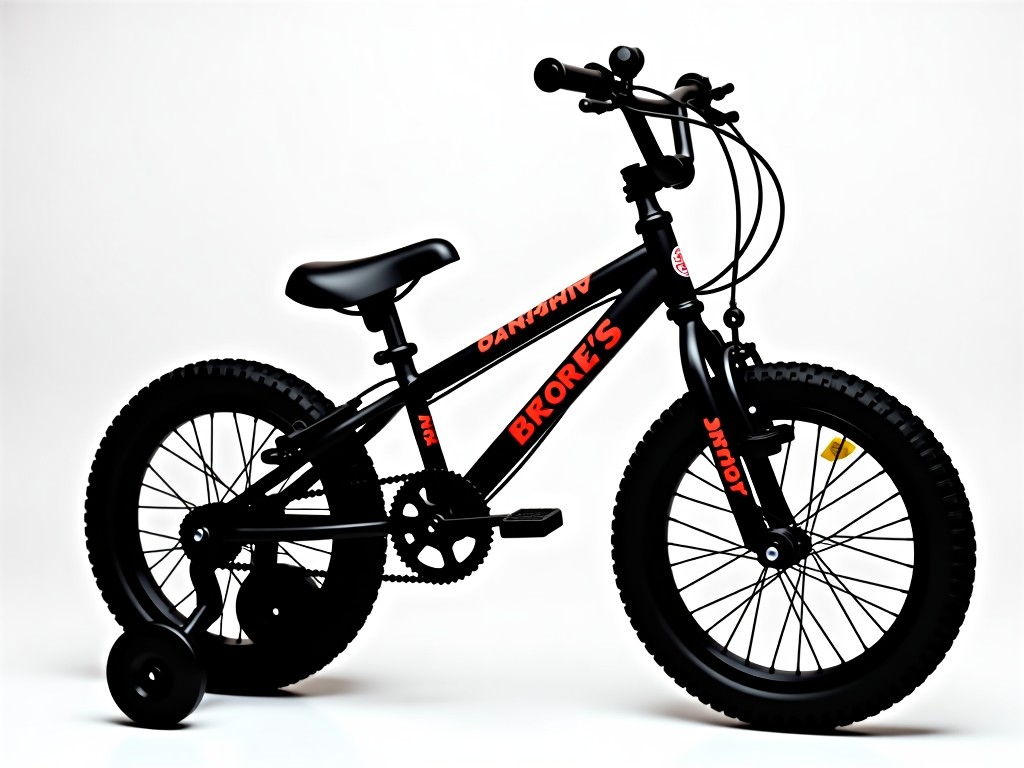
Custom Size Guide Kids Mountain Bike Company
Custom Size Guide for Kids Mountain Bikes
Proper saddle height and reach directly affect a child's control, confidence, and safety on trail terrain. A bike that is too large encourages overreaching, while one that is too small limits power transfer and increases fatigue.
The guide starts with three core anthropometric measurements: standing height, inseam length, and torso length. Each measurement is taken with the child barefoot, using a vertical stadiometer for height and a flexible tape for inseam from crotch to floor. Torso length is measured from the sternal notch to the top of the hip bone while seated.
From these data points, the guide calculates recommended frame geometry: effective top tube length, seat tube angle, and chainstay length. For example, a 5 cm increase in inseam typically corresponds to a 10 mm longer top tube to maintain proportional reach. Seat tube angle is adjusted between 71° and 75° to balance climbing efficiency and handling agility. Chainstay length is varied from 380 mm to 410 mm to accommodate wheel size changes while preserving rear‑end stiffness. The resulting geometry ensures that the rider’s center of mass stays within the bike’s stability envelope.
Component selection follows the frame dimensions: stem length is chosen to achieve a target handlebar reach of 250 mm ± 10 mm, handlebar width is matched to shoulder width plus 20 mm, and crank length is scaled to 0.25 × inseam. Seatpost length is set to allow at least 50 mm of insertion depth while providing the required saddle height. These rules keep the bike’s handling predictable and reduce the risk of component interference.
Upon receipt of the child's measurements, the process proceeds as follows: the data are entered into a parametric sizing algorithm that outputs a preliminary frame CAD model. The model undergoes a virtual fit check using a digital manikin calibrated to the child’s proportions. After virtual approval, a physical prototype is built and tested on an adjustable jig to verify clearances and riding dynamics. Final production drawings are released only after the prototype passes a 2‑hour ride simulation on varied terrain. This closed‑loop approach ensures that the final geometry matches both the calculated targets and real‑world handling expectations.
Quality assurance includes dimensional inspection of critical joints using a coordinate measuring machine with a tolerance of ±0.2 mm. Each frame is checked for alignment of the head tube, seat tube, and chainstay junctions to ensure correct geometry. A final fit test is performed on a size‑adjustable dummy representing the 5th‑95th percentile of the target age group.
Original equipment manufacturers use the guide to standardize size offerings across model years, reducing SKU complexity while meeting regional growth patterns. Distributors rely on the guide to recommend the correct size to retailers, lowering return rates and improving customer satisfaction. Schools and youth programs apply the guide when procuring fleets, ensuring each rider receives a bike that fits safely and promotes skill development. The guide also supports aftermarket service teams in sizing replacement frames or custom builds. By linking anthropometry to engineering specifications, the guide transforms a subjective fit problem into a repeatable, measurable process.
| Height Range (cm) | Recommended Frame Size (inches) | Wheel Size (inches) |
|---|---|---|
| 110‑120 | 10‑12 | 16 |
| 120‑130 | 12‑14 | 20 |
| 130‑140 | 14‑16 | 24 |
| 140‑150 | 16‑18 | 26 |
Frequently Asked Questions
- Can dimensions be customized for atypical proportions? Yes. The algorithm accepts any height, inseam, and torso length values and outputs a unique geometry set.
- What information is required before a quotation? We need the child’s standing height, inseam, torso length, intended wheel size, and any component preferences (e.g., brake type, suspension).
- Which materials are available for the frame? The guide is material‑agnostic; it works with aluminum 6061, aluminum 7005, steel chromoly, or carbon fiber layups, with geometry adjustments provided for each.
- How is quality inspected? Critical dimensions are verified on a CMM with ±0.2 mm tolerance, followed by a fit test on an adjustable dummy representing the target percentile range.
- What packaging methods are available? Frames are packed in double‑wall corrugated boxes with foam corner protectors; optional palletizing is available for bulk orders.
- How are export shipments protected? Each box receives a moisture‑barrier bag and is secured with strapping; pallets are stretch‑wrapped and corner‑braced.
- What is the typical production lead time? Lead time ranges from 4 to 6 weeks after measurement receipt, depending on material availability and order volume.
- How are samples arranged? Sample frames can be produced upon receipt of a measurement set and a nominal tooling fee, with delivery in 2‑3 weeks.
Ready to implement a precise sizing system for your kids mountain bike lineup? Contact our engineering team to discuss measurement submission, pricing, and lead times.