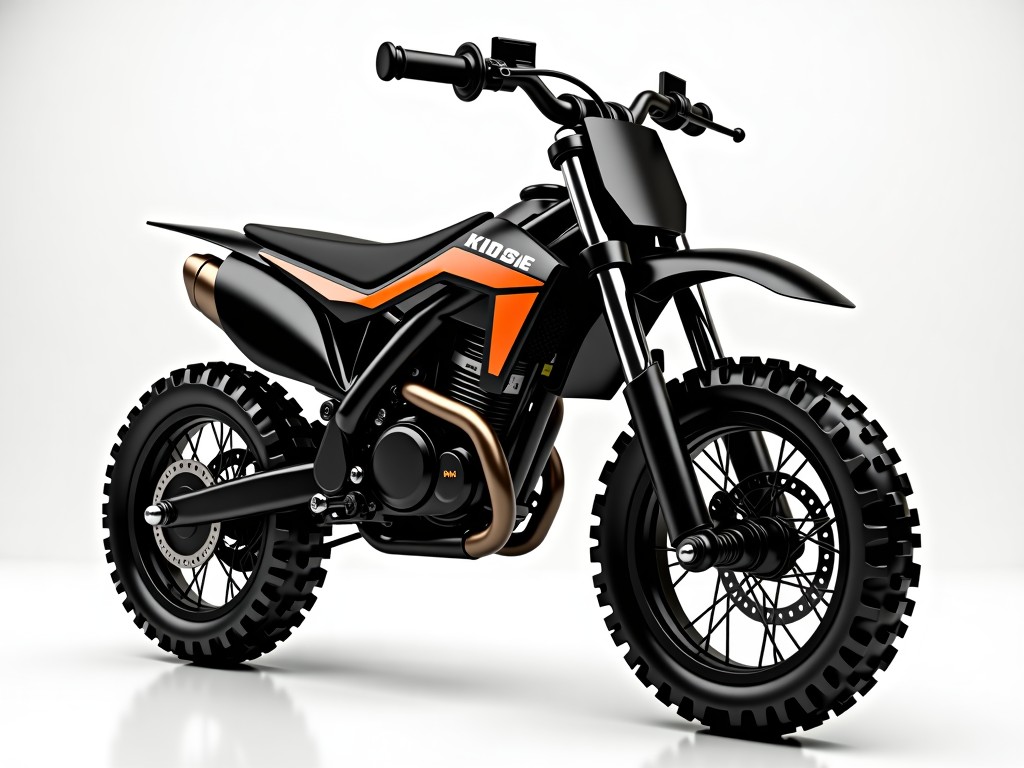
Custom Electric Full Suspension Mountain Bike For Kids Company
Custom Electric Full Suspension Mountain Bike for Kids
These bicycles combine a scaled-down full‑suspension frame with an integrated electric drive system to offer pedal assistance that matches the developing strength and coordination of children aged 6 to 12. The design goal is to extend ride duration, reduce fatigue on climbs, and preserve the handling characteristics of a traditional mountain bike while keeping the overall mass within safe handling limits for younger riders.
Frame Geometry and Suspension Architecture
The front and rear triangles are constructed from 6061‑T6 aluminum alloy tubes, hydroformed to achieve a low standover height of approximately 560 mm and a chainstay length of 380 mm, which improves maneuverability for smaller riders. A four‑bar linkage rear suspension provides 80 mm of travel, calibrated with a progressive spring rate to absorb trail impacts without compromising pedaling efficiency.
The head tube angle is set at 68°, balancing stability on descents with responsive steering on tight switchbacks. Seat tube angle of 73° positions the rider’s center of gravity over the bottom bracket, facilitating effective power transfer during assisted pedaling cycles.
Electric Drive System Specification
A rear‑hub brushed‑less motor delivers a continuous power rating of 250 W, with a peak torque of 40 Nm, sufficient to assist climbs up to 15 % grade while maintaining a top speed limit of 20 km/h as required for youth e‑bike classifications in many jurisdictions.
The energy store is a removable lithium‑ion pack rated at 36 V 10 Ah (≈360 Wh), integrated into the downtube with a lockable latch. Typical assisted range varies between 25 km and 40 km depending on rider weight, assist level, and terrain, and the pack reaches 80 % charge in roughly 2.5 hours using a 2 A charger.
Safety Controls and User Interface
Mechanical disc brakes with 160 mm rotors provide consistent stopping power in wet and dry conditions, complemented by a motor cut‑off sensor that disengages assistance when the brake lever is actuated. A handlebar‑mounted LCD display shows speed, assist level, battery state‑of‑charge, and odometer, and includes a three‑mode assist selector (Eco, Trail, Boost) that can be locked to a maximum level via a parental control pin.
The frame incorporates internal cable routing to protect harnesses from abrasion, and all electrical connectors are rated IP65 for resistance to dust and water ingress. A built‑in speed limiter ensures the motor does not exceed the preset 20 km/h threshold, which can be adjusted only through authorized service tools.
Typical Specification Table
| Parameter | Typical Range | Customizable Options |
|---|---|---|
| Motor Power (continuous) | 200 W – 350 W | Higher torque versions available on request |
| Battery Capacity | 300 Wh – 500 Wh | Alternative voltages (48 V) for extended range |
| Suspension Travel (front/rear) | 80 mm / 80 mm | Travel adjustable via spacer kits |
| Maximum Rider Weight | 45 kg – 60 kg | Reinforced frames for higher limits |
| Charging Time (0‑80 %) | 2 h – 3.5 h | Fast‑charge options (up to 4 A) |
Manufacturing Considerations and Quality Assurance
Frame joints are processed using TIG welding with post‑weld heat treatment to relieve residual stresses, followed by non‑destructive ultrasonic inspection of critical welds. Each completed bike undergoes a dynamic fatigue test simulating 100 000 load cycles at 1.5× the maximum rider weight to verify structural integrity over the expected service life.
Electrical systems are subjected to ingress protection testing (IP65) and temperature cycling from –10 °C to +50 °C to ensure reliable operation across typical outdoor environments. Final assembly includes a functional check of motor assistance thresholds, brake cut‑off response, and display communication via CAN bus.
Application Rationale for Younger Riders
The reduced frame dimensions lower the center of gravity, which improves balance for children who are still developing proprioceptive skills. Adjustable seat posts (±45 mm) and stem length options allow the bike to grow with the rider, extending the usable lifespan without compromising handling geometry.
Pedal assistance reduces the muscular effort required to maintain speed on inclines, enabling younger riders to keep pace with mixed‑ability groups on trail networks. This encourages longer outings, improves cardiovascular exposure, and supports skill development by letting the child focus on technique rather than excessive fatigue.
Customization Choices
- Frame color options: matte black, metallic silver, safety orange, custom powder‑coat upon request
- Motor power levels: 200 W, 250 W, 350 W (subject to regional regulations)
- Battery packs: 360 Wh (standard), 480 Wh (extended), 600 Wh (high‑capacity)
- Display types: basic LCD, full‑color TFT with Bluetooth connectivity
- Brake rotor sizes: 160 mm (standard), 180 mm (enhanced modulation)
Frequently Asked Questions
Can the motor assistance be limited to a specific speed for compliance with local youth e‑bike rules?
Yes, the controller includes a programmable speed ceiling that can be set between 15 km/h and 25 km/h and locked via a service tool, ensuring the bike meets jurisdictional limits for children’s electric bicycles.
What information is required to generate a quotation for a customized batch?
We need the desired motor power, battery capacity, frame size range, quantity, any specific color or branding requirements, and the target delivery schedule. Providing the intended riding environment (e.g., trail difficulty, typical gradient) helps us optimize suspension tuning.
How is quality consistency maintained across production runs?
Each lot undergoes first‑article inspection, dimensional verification of critical features using CMM, and random sampling of electrical continuity and IP sealing tests. Statistical process control charts monitor weld penetration and battery voltage consistency.
To discuss your project’s technical requirements, request a detailed quotation, or arrange a sample evaluation, please contact our engineering team using the link below.
Request a Quote or Technical Consultation