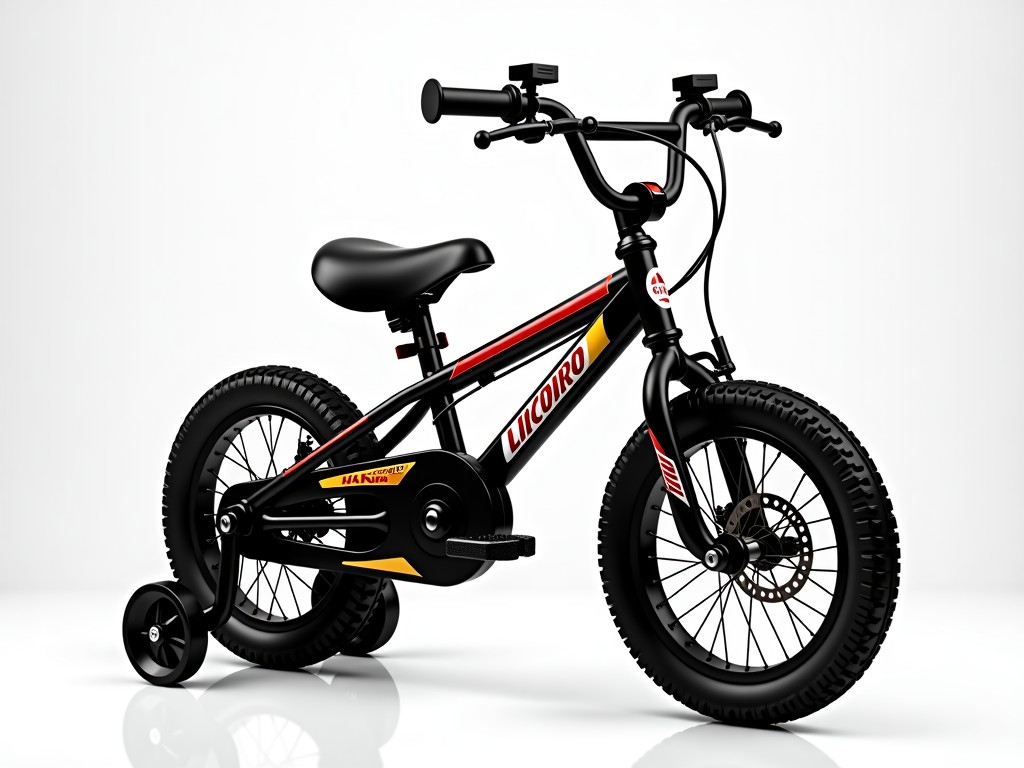
B2B 2026 Kids Mountain Bike Manufacturer
B2B 2026 Kids Mountain Bike – Manufacturer Overview
This page details the engineering specifications, material options, and customization pathways for the 2026 model year kids’ mountain bike platform designed for OEM and wholesale buyers.
Frame Geometry and Structural Design
The base frame uses hydroformed 6061-T6 aluminum alloy with a tapered head tube (1.125" to 1.5") to improve front‑end stiffness while keeping weight under 1.4 kg for a 14‑inch size. Geometry targets a 68° head‑tube angle, 73° seat‑tube angle, 380 mm chainstay length, and 55 mm bottom‑bracket drop, providing a balanced handling feel for riders aged 7‑12.
Each frame undergoes post‑weld heat treatment (T6) and is inspected via ultrasonic testing for weld integrity before proceeding to paint. The design includes internal cable routing for brake and shift lines, reducing exposure to dirt and simplifying assembly for bulk orders.
Wheel, Tire, and Suspension Specifications
Standard wheel size is 24 × 1.95 inches with a double‑wall aluminum rim (20 mm internal width) paired with sealed‑cartridge hubs (15 mm front axle, 12 mm rear thru‑axle). The tire tread features a low‑profile knob pattern optimized for mixed hardpack and light trail surfaces, delivering a rolling resistance coefficient of approximately 0.0038 on asphalt.
Front suspension is a 80 mm travel coil‑spring fork with adjustable preload and rebound dampers, matched to the frame’s head‑tube angle to maintain proper geometry under load. The fork stanchions are 30 mm diameter, hard‑anodized for wear resistance, and include a lockout lever for smooth pavement sections.
Brake and Drivetrain Options
Braking is offered in two configurations: hydraulic disc (160 mm rotor front, 140 mm rear) with mineral‑oil fluid, providing consistent modulation down to 2 °C, or mechanical V‑brake with alloy levers for markets where hydraulic service infrastructure is limited.
The drivetrain defaults to a 1×9‑speed Shimano‑compatible setup (11‑36 t cassette, 32 t chainring) delivering a gear range of 308 %. Optional upgrades include a 1×10‑speed wide‑range cassette (11‑42 t) or a 2×8‑speed configuration for riders needing finer cadence control on steep climbs.
Customization Choices for OEM Partners
- Frame sizes: 12", 14", 16" (center‑to‑center seat tube)
- Color palette: powder‑coat options in matte black, neon green, safety orange, and custom Pantone matches upon request
- Brake type: hydraulic disc, mechanical disc, or V‑brake
- Drivetrain: 1×9, 1×10, or 2×8 speed groupsets
- Accessory mounts: integrated kickstand plate, bottle‑cage bosses, and rear rack eyelets
Typical Specification Table
| Parameter | Typical Value (14” Frame) |
|---|---|
| Frame Weight | 1.38 kg |
| Fork Travel | 80 mm coil spring |
| Wheel Size | 24 × 1.95 in |
| Brake Rotor (Front) | 160 mm hydraulic disc |
| Gear Range | 308 % (1×9) |
| Head‑Tube Angle | 68° |
| Seat‑Tube Angle | 73° |
| Chainstay Length | 380 mm |
| Bottom‑Bracket Drop | 55 mm |
Applications and Market Fit
The platform targets OEMs supplying specialty bike shops, youth‑focused retail chains, and institutional buyers such as school cycling programs and municipal rental fleets. Its modular design allows rapid swapping of brake and drivetrain kits, reducing SKU complexity for distributors who need to serve both entry‑level and performance‑oriented segments.
Because the frame geometry adheres to ISO 4210‑2 safety standards for children’s bicycles, the bike can be marketed in regions requiring certified youth models (EU, North America, Australia). The lightweight aluminum construction also supports easier handling by younger riders, lowering the risk of fatigue‑related accidents on longer rides.
Quality Assurance and Testing
Each frame undergoes a three‑step verification: dimensional CMM check (±0.1 mm tolerance), fatigue load testing to 100 000 cycles at 250 Nm torque (per ISO 4210‑4), and powder‑coat adhesion testing (cross‑hatch method, ISO 2409). Final assembly includes a functional brake lever pull test (≤2.5 N lever force for full engagement) and gear shift indexing verification across the full cassette range.
Traceability is maintained via laser‑etched lot numbers on the bottom bracket and QR‑code labels on the packaging, enabling OEMs to retrieve material certificates and test reports for any production batch.
Packaging and Logistics
Bikes are packed in double‑wall corrugated cartons with internal foam corner protectors and a biodegradable plastic sleeve to guard against moisture. Standard pack size accommodates six fully assembled units per pallet (approx. 250 kg gross weight), optimizing container utilization for overseas shipments.
Optional packaging includes CKD (completely knocked down) kits for OEMs that prefer local assembly, with each sub‑assembly bagged and labeled according to a standardized bill‑of‑materials.
Frequently Asked Questions
- Can frame dimensions be customized? Yes, seat‑tube length and reach can be adjusted in 5 mm increments based on tooling availability; contact engineering for feasibility.
- What information is required before quotation? Required details include desired frame size, brake type, drivetrain level, color finish, order quantity, and preferred delivery terms (FOB or CIF).
- What material options are available for the frame? Standard is 6061‑T6 aluminum; chromoly 4130 steel is offered upon request for markets requiring higher tensile strength.
- How is quality inspected? Incoming material is spectrometer‑tested; welds receive ultrasonic inspection; finished frames undergo dimensional, fatigue, and adhesion tests as outlined above.
- What packaging methods are available? Fully assembled cartons, CKD kits, or palletized bulk packs with custom labeling options.
- How are export shipments protected? Cartons meet ISTA 3A standards; pallets are stretch‑wrapped and corner‑boarded; optional insurance documentation can be arranged.
- What is the typical production lead time? Lead time ranges from 30 to 45 days after receipt of deposit and final artwork, depending on customization complexity.
- How are samples arranged? Sample units are produced within 10 working days; shipping costs are borne by the requester, with sample cost credited toward the first order.
Request a detailed quotation or speak with our application engineers